
No License Is Needed in the UK
There’s no legal requirement, license, or regulator for end-of-life doulas in the UK. Most doulas prepare through a structured training program, and hospices and other organizations usually ask for training, a DBS check, and insurance.
The role is growing across the UK. End of Life Doula UK, the main professional association, now has more than 450 registered doulas, and some NHS areas and hospices have started offering doula support to the people they care for.
End-of-Life Doula, Death Doula, or Soul Midwife?
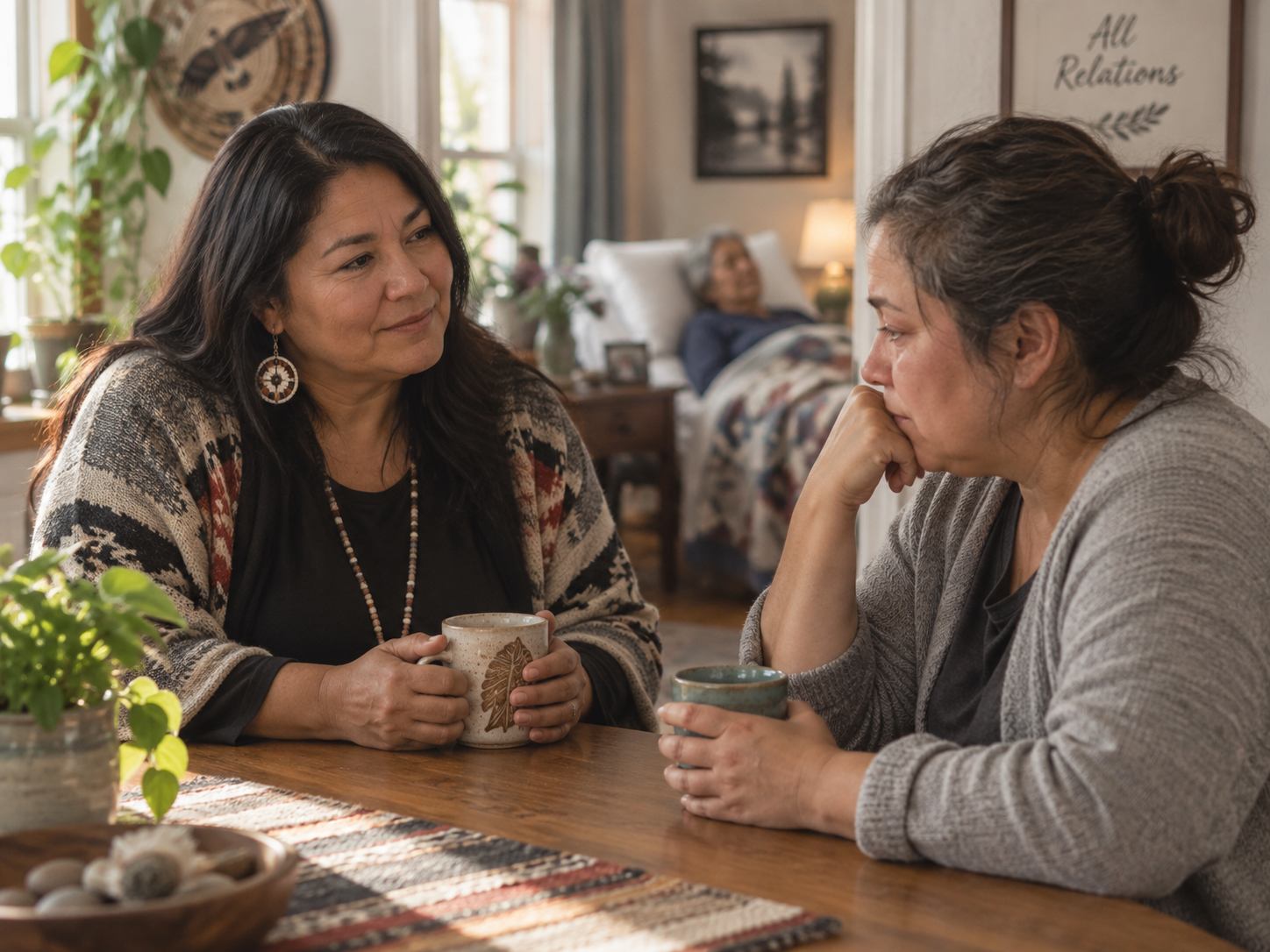
In the UK, end-of-life doula is the term hospices and professional associations tend to use. You’ll also hear death doula, soul midwife, and end-of-life companion.
Whatever the name, the role is the same: non-medical companionship and planning support for someone who is dying and for the people close to them, working alongside GPs, district nurses, and palliative care teams.
How to Become an End-of-Life Doula in the UK
- Learn about the role. Read about what end-of-life doulas do, and notice what draws you to this work. Our free introduction is a gentle place to start, and What Is a Death Doula? covers the role in more depth.
- Reflect on your readiness. Think about your own experiences with death and grief, and the time and energy you have right now. How Emotionally Ready Do You Need to Be? can help.
- Choose a training program. Many UK doulas train online, which lets you study around work and family in your own time zone. Look at the curriculum, the support you’ll get, the total cost, and what the credential means. How to Choose the Right Training Program walks you through it.
- Build experience gradually. Many UK hospices welcome volunteers and train them themselves. Death cafés, befriending schemes, and supporting people you know are other good places to begin.
- Get your DBS check and insurance in place. These are what hospices, families, and organizations most often ask about. The next section explains how they work.
- Decide how you’d like to offer support. Some doulas volunteer, some bring this work into an existing role in health or social care, and some set up their own practice. See What Can You Do With Death Doula Certification?
DBS Checks and Insurance
No law requires an independent doula to hold a criminal record check, but families and organizations expect one. Doulas referred through End of Life Doula UK hold a DBS or Disclosure Scotland check and insurance, and hospices that offer doula support ask for the same.
Criminal record checks
- England and Wales: the Disclosure and Barring Service (DBS)
- Scotland: Disclosure Scotland
- Northern Ireland: AccessNI
- If you’re self-employed, you can apply for a basic check yourself. Hospices and other organizations arrange higher-level checks for their volunteer and staff roles.
Insurance
- professional indemnity insurance, which covers claims about the support you give
- public liability insurance, which covers injury or damage during visits
- some insurers offer combined policies for complementary and wellbeing practitioners, so check that end-of-life doula work is named on yours
Hospices, the NHS, and End-of-Life Doulas
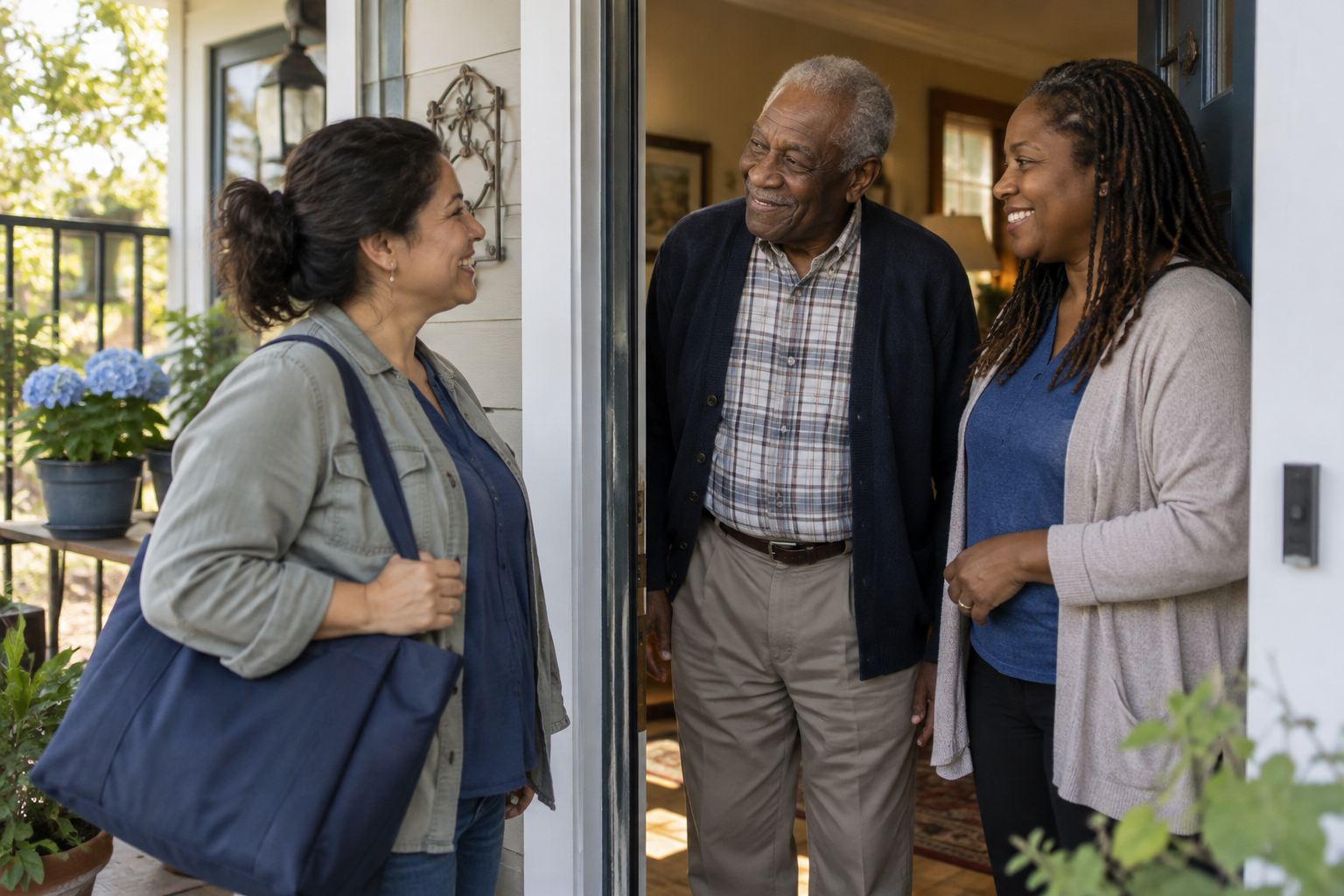
Most UK hospices are independent charities that work alongside the NHS. Many rely on trained volunteers, and some, such as St Gemma’s Hospice in Leeds, now offer support from trained, insured, DBS-checked end-of-life doulas.
The NHS has also started funding doula support in some areas. End of Life Doula UK has provided NHS-funded doula services in West Yorkshire since 2022, and ran a project in Kingston and Richmond in south-west London in 2023 and 2024.
Most UK doulas still work independently, hired by families, and coordinate with the person’s GP, district nurses, and hospice team.
Assisted Dying and End-of-Life Doulas in the UK
As of November 2026, assisted dying isn’t legal anywhere in the UK. A bill for England and Wales passed the House of Commons in 2025 but ran out of time in the House of Lords in April 2026, and the Scottish Parliament voted against its own bill in March 2026. Jersey and the Isle of Man, which aren’t part of the UK, have voted for their own assisted dying laws.
UK end-of-life doulas offer non-medical support within the current law. When someone wants to talk about their wishes or fears around dying, a doula listens, and helps them bring their questions to their doctor or care team.
If the law changes, doulas in the UK may be asked to support people and families around an assisted death, as doulas already do in Canada, Australia, and parts of the United States. IEOLCA’s Medical Aid in Dying Doula Support Program covers this non-medical role.
What Do End-of-Life Doulas Charge in the UK?
Reported UK rates range from about £25 an hour for newer doulas to around £150 an hour for experienced doulas. Many doulas offer packages, such as a set number of visits or vigil support, rather than hourly rates. Some work through NHS-funded or hospice schemes, and many volunteer some of their time.
If you’d like to offer paid support, a little preparation helps:
- registering as self-employed with HMRC
- professional indemnity and public liability insurance
- written service agreements
- a simple system for privacy and records, and checking whether you need to pay the ICO data protection fee
- clear fees, cancellations, and availability
- people you can refer to when a need falls outside your role
Our guide Do Death Doulas Make Money? walks through what doulas earn and what’s left after expenses.
Training Online From the UK
IEOLCA’s End-of-Life Doula Certification is fully online and self-paced, so you can study from anywhere in the UK, at whatever time of day works for you. Our learning community spans more than 30 countries.
What you’ll learn
- the non-medical doula role and ethics
- communication and family conversations
- legacy work, vigil planning, and grief support
- working alongside care teams, and building a practice
How it works
- 28 modules across three phases
- about 35–40 hours of study, at your own pace
- three phase assignments, plus ongoing mentorship
- lifetime access to your course materials
For more on what UK hospices and organizations expect, and how requirements compare in other countries, see Death Doula Requirements by Country.