A clear path from calling to practice
Many students arrive feeling called to the work but uncertain what that calling means. IEOLCA provides language, structure, ethical grounding, practical tools, and a clear way to begin.

Compassionate, practical, and reflective end-of-life doula education designed to help you build clear skills, ethical grounding, and confidence, with personal guidance, flexible learning, and support that continues beyond graduation.
Choosing end-of-life doula education is a meaningful decision. You may be completely new to this work, bringing years of related experience, or searching for greater depth after training somewhere else.
At IEOLCA, we believe excellent end-of-life doula training and certification should be compassionate, practical, reflective, ethically grounded, and accessible. Our programs help you understand the end-of-life doula role while considering how you want to show up for the people and communities you may serve.
The learning gives your calling structure, language, practical tools, and a grounded road forward.

These commitments shape the way IEOLCA programs are created, taught, reviewed, and carried forward after completion, from your first lesson through the support available after graduation.
Many students arrive feeling called to the work but uncertain what that calling means. IEOLCA provides language, structure, ethical grounding, practical tools, and a clear way to begin.
Required assignments are personally reviewed. Feedback is intended to deepen reflection, recognize strengths, clarify next steps, and help each student feel seen and supported in the learning.
Students choose the tuition level that honestly reflects their circumstances. Every tuition tier includes the same complete program, making high-quality end-of-life doula education more accessible through a simple, trust-based process.
Begin when you are ready, learn around work, family, caregiving, and the rest of real life, and return to your death doula training, guidebooks, videos, and resources as your experience continues to grow.
Eligible graduates can continue through the IEOLCA Graduate Hub with practical resources, continued learning and connection, a digital badge, and an invitation to join the IEOLCA Doula Directory.
Enroll with confidence. If the program isn't the right fit, you have 60 days of space to decide before committing further.
Begin with foundational online death doula certification or explore focused education in pet loss and other areas of end-of-life care.
Reflective, practical online training for compassionate non-medical support, ethical practice, planning, grief, family care, and professional preparation.
Popular Focused TrainingOnline education for supporting people through anticipatory grief, end-of-life decisions, companion-animal death, rituals, and bereavement.

End-of-life doula work asks for more than information. It requires self-awareness, emotional steadiness, ethical clarity, practical skills, and a willingness to meet others with openness toward their beliefs, values, and expectations.
“Support people as they wish to be supported.”
This principle asks us to begin with the person in front of us: their wishes, values, culture, relationships, beliefs, identity, fears, hopes, and choices. It shapes how IEOLCA students learn to listen, communicate, respect different worldviews, and offer genuinely person-centered care.
Students learn how to provide non-medical, non-legal, and non-directive support while respecting the roles of healthcare professionals and collaborating thoughtfully with families and care teams.
Support decisions the person makes for themselves, without steering outcomes or imposing an agenda.
Understand what non-medical doula support can include and when another professional is needed.
Build language for respectful limits, appropriate referrals, and working alongside care teams.
Recognize that boundaries, reflection, and care for yourself are essential parts of responsible practice.
IEOLCA welcomes students with varied experiences, professions, communities, and reasons for learning.
Receive a clear, supportive introduction to the role, its possibilities, its limits, and the practical foundations of compassionate end-of-life support.
Nurses, caregivers, grief professionals, hospice volunteers, educators, spiritual care providers, and other helping professionals can deepen and organize what they already know.
Experienced learners often discover fresh language, ethical clarity, practical resources, reflective depth, and new perspectives they can carry into their existing work.
The Bridge Pathway lets doulas trained outside IEOLCA earn IEOLCA certification without repeating training you've already completed.
IEOLCA programs combine several learning formats so students can explore ideas, reflect on them, apply them, and revisit what matters as often as needed. This flexible approach supports different learning styles without losing the depth of the material.
People understand dying, death, grief, ritual, family, and care in many different ways. IEOLCA’s emphasis on the Platinum Rule, cultural humility, flexible supportive principles, and respect for differing worldviews helps students adapt their learning thoughtfully within their own communities.
We help students become more capable of listening, learning, and supporting each person according to what matters to them.
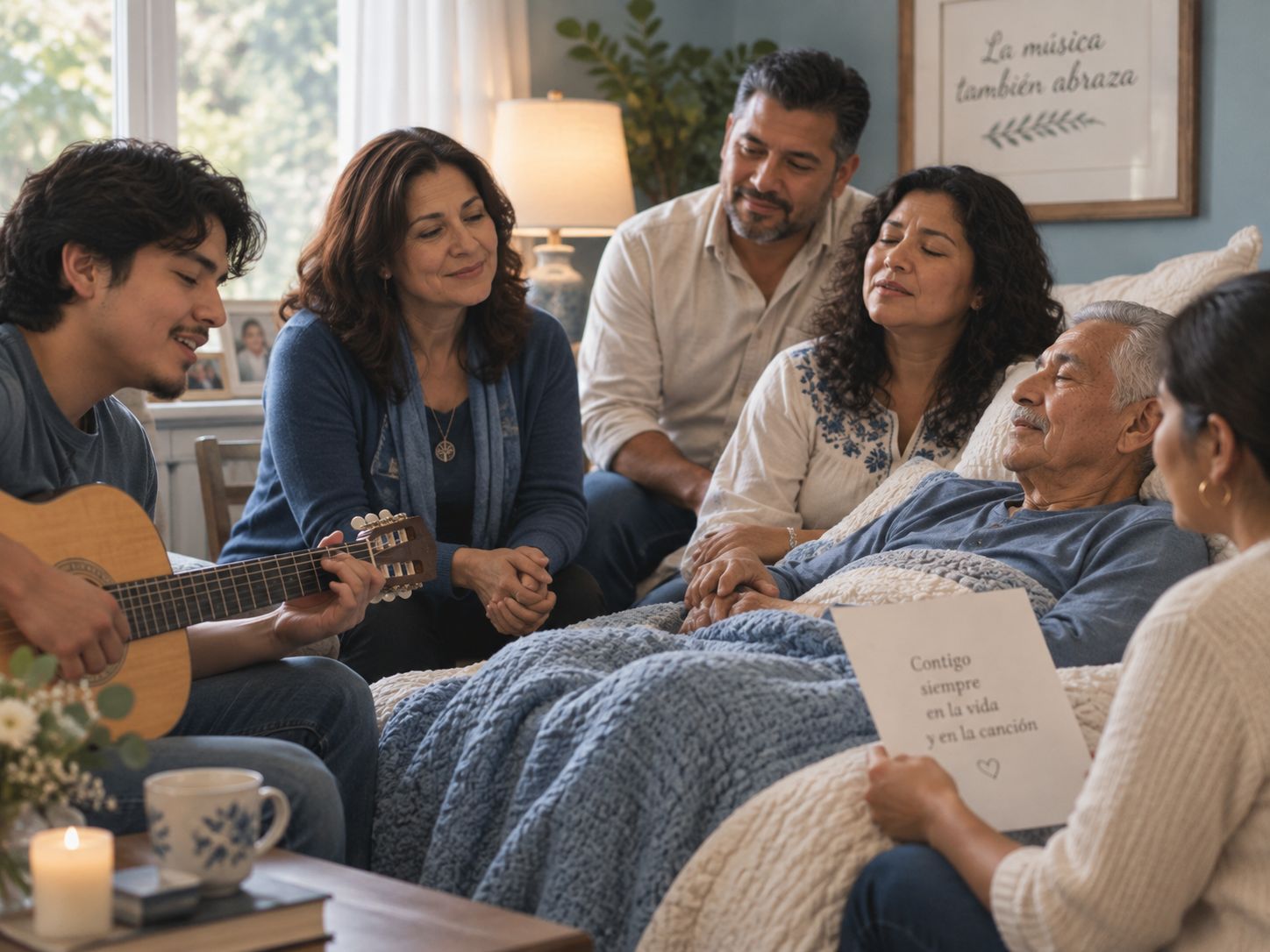
IEOLCA's Certified End-of-Life Doula training is by far the most empowering and practical of the doula courses I have taken. I feel much more equipped for this work with the instruction, examples, and tools Amy-Lynne has provided.
I was deeply surprised at the depth and breadth of the information shared, presented as an interactive experience requiring thought and introspection. I have always felt a calling, but now I have the tools and base of information to actually make a difference.
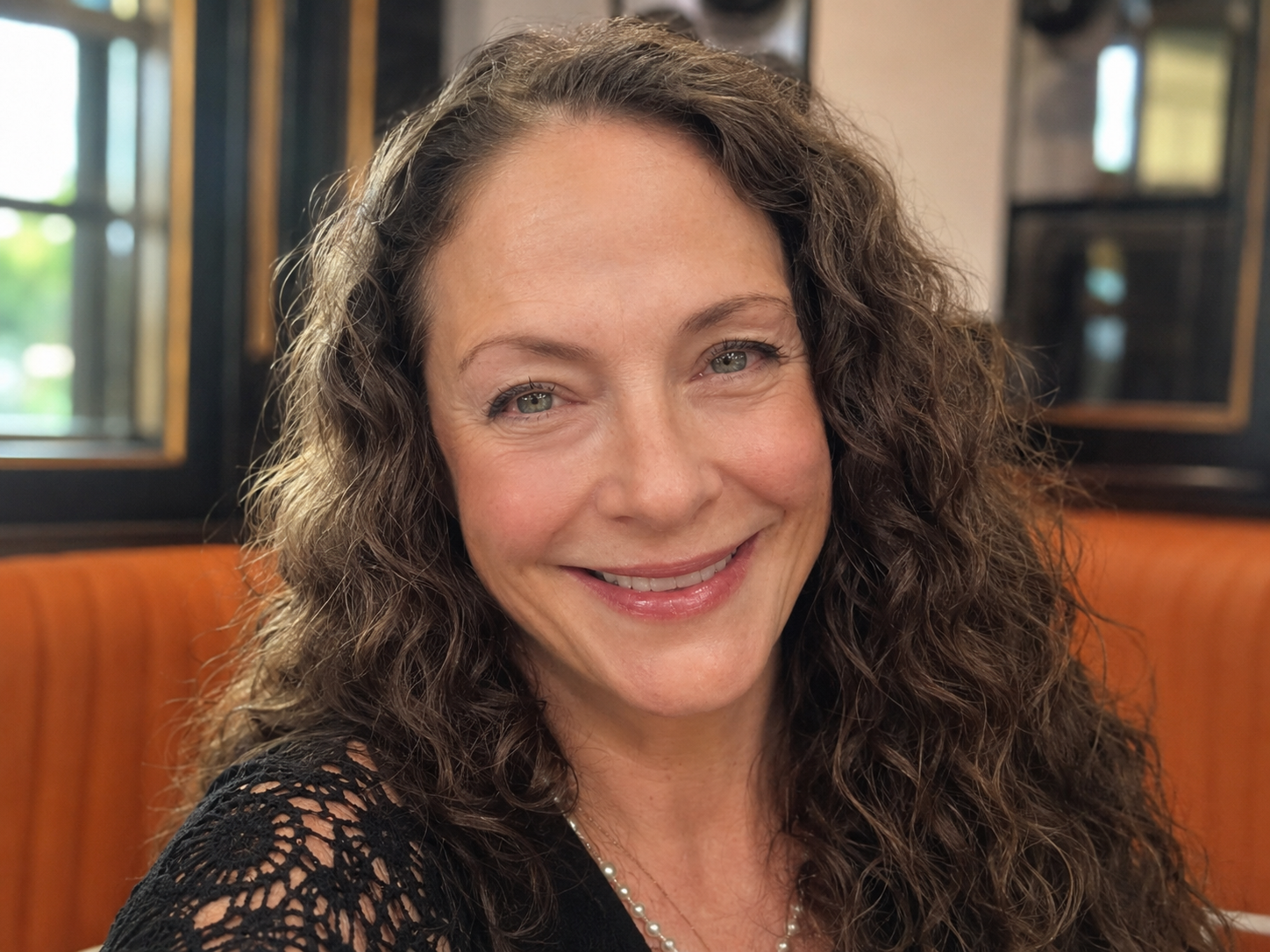
IEOLCA’s programs bring together experience in hospice volunteering, caregiving and family support, spiritual health, healthcare education, curriculum development, and walking alongside people during vulnerable and deeply human moments.
Amy-Lynne personally reviews every required assignment and welcomes questions throughout the learning. This human connection is an intentional part of helping students integrate what they are learning with greater clarity and confidence.
Explore what draws you to this work, how it may connect with your values and lived experience, and what a thoughtful next step could look like.