Presence & Companionship
- quiet presence or conversation
- non-judgmental listening
- support for family and caregivers
- attention to consent and preferred ways of connecting

A death doula, also called an end-of-life doula, offers non-medical support around dying, death, and early grief. The role is grounded in presence, practical preparation, communication, reflection, and respect for the person’s own values and choices.
Looking for training or certification? You’ll find that separately in IEOLCA’s End-of-Life Doula Certification Program.
A death doula is a non-medical support person who may offer emotional, practical, relational, informational, cultural, spiritual, legacy, vigil, and grief-informed support to a person approaching death and to the people close to them. What that support looks like depends on the person, the doula’s training and scope, the setting, and the wishes of everyone involved.
The term is often used interchangeably with end-of-life doula. You may also hear phrases such as end-of-life companion or doula for the dying.
The comparison with birth doulas is useful in one important way: both roles center non-medical presence, preparation, communication, and support during a major life transition. The work itself, however, is shaped by the needs and wishes of the individual rather than by one prescribed way of dying.
Some practitioners use other titles, including death midwife or death-care guide. These terms are not universally regulated or equivalent, and their meaning can vary by location, culture, and practitioner.

There is no single service list that applies to every doula. These are common examples of support that may fall within a non-medical doula role.
Good doula support follows the person rather than imposing a preferred idea of a “good death.” IEOLCA teaches a Platinum Rule approach: support people in the way they want to be supported, with curiosity, humility, consent, and respect for what matters to them.
Death doula work often includes listening without rushing to fix, persuade, or interpret. A doula may make space for fear, relief, sadness, uncertainty, humor, silence, family dynamics, or practical questions.
Some people want conversation. Others want help organizing information, creating a legacy project, preparing for a vigil, or simply having someone nearby who is comfortable being present with dying.
A doula cannot guarantee reduced fear, family reconciliation, a peaceful death, emotional healing, control, or a particular grief experience. The role is to offer thoughtful support within scope, not to promise an outcome.
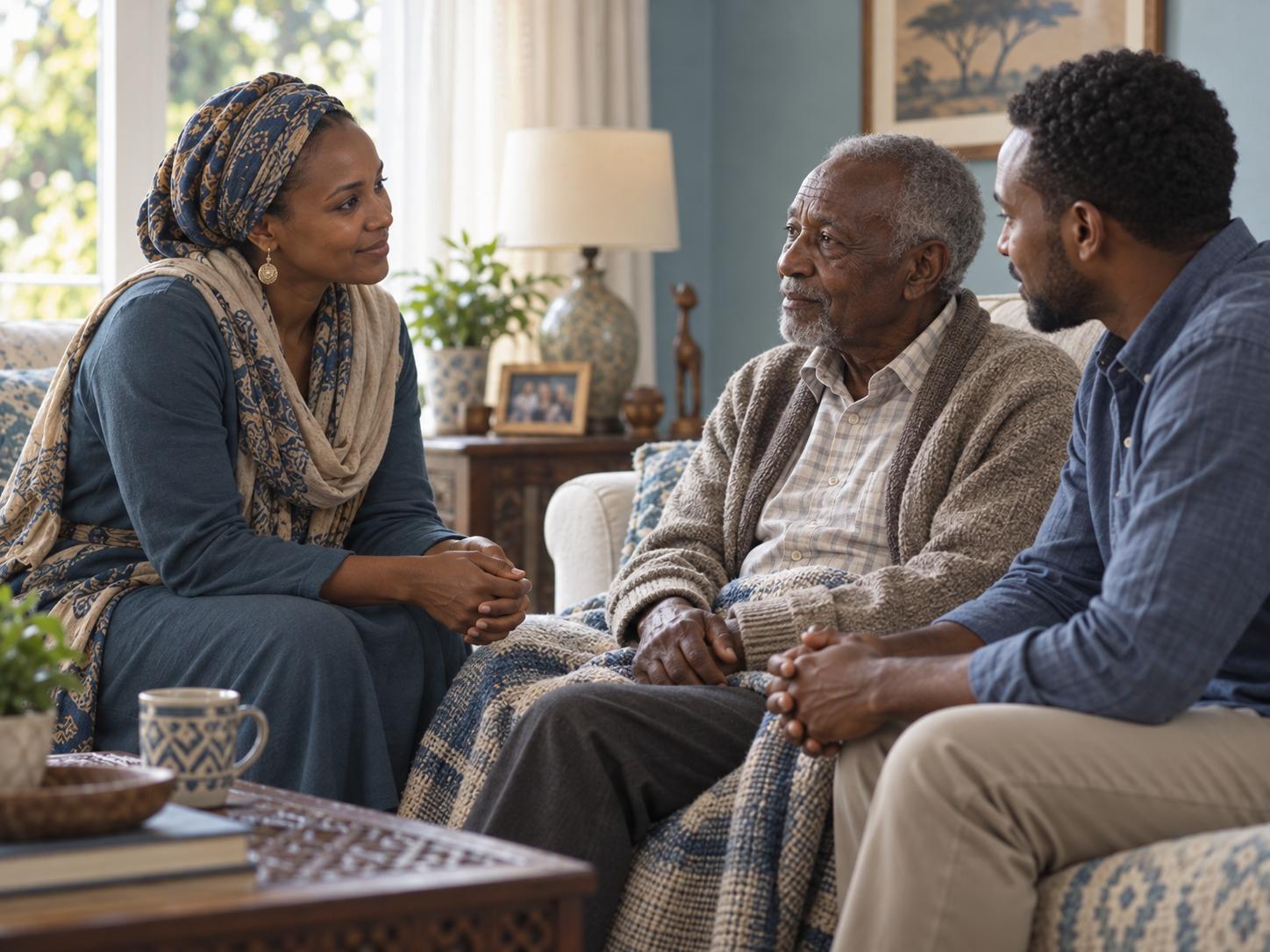
Support can begin well before active dying and may continue briefly after a death, depending on the agreement between the doula, the person, and the family.
A doula may help someone reflect on values, organize information, prepare questions, and get ready for conversations with healthcare or legal professionals. A doula may also help families slow down, listen, and keep the person’s preferences visible where consent and capacity allow.
A doula may help plan who the person wants present, what environment they prefer, and whether music, silence, ritual, prayer, touch, or meaningful objects are welcome. General non-diagnostic education may be offered while clinical questions are directed to the healthcare team.
After a death, a doula may offer quiet presence, support a chosen ritual, help organize questions, assist with memorial ideas, and connect a family with funeral, legal, spiritual, grief, or community resources.
A doula may help identify appropriate services and prepare questions for other professionals. The doula’s role is not to replace clinical, legal, funeral, counselling, or spiritual-care professionals when those services are needed.
Death doula work is non-medical. A certificate or doula title does not create clinical authority, legal authority, automatic access to facilities, or permission to perform regulated activities. A doula should be clear about the limits of the role and refer appropriately when needs fall outside scope.
Activities involving pronouncement, reporting, transportation, body care, documentation, cooling, or other after-death practices may be regulated by law or governed by facility policy. A doula should confirm what is permitted in the place where they are working.
Hospice is an organized model of interdisciplinary care that may include physicians, nurses, social workers, spiritual-care providers, aides, volunteers, and bereavement services. Eligibility, funding, and services vary by program and jurisdiction.
A death doula is a non-medical support role. A doula may work independently or alongside hospice when the person consents and the organization allows it.
The two roles can complement one another, but a doula does not automatically become part of a hospice or healthcare team. Meetings, records, private health information, and facility access require appropriate consent and may require organizational authorization.
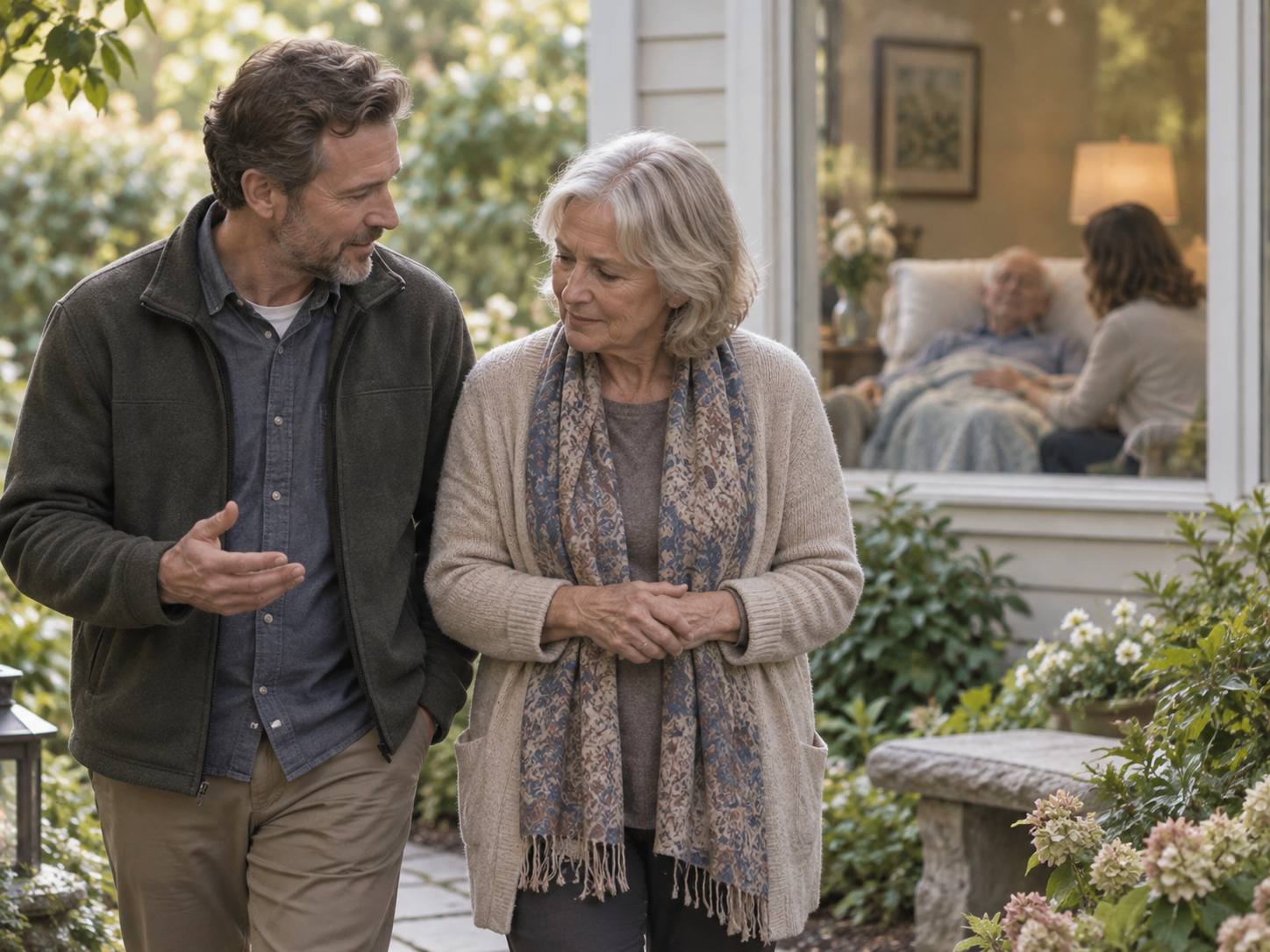
Rules vary by jurisdiction. In many places, the title is not regulated in the same way as a licensed healthcare profession. That makes transparency especially important.
Ask what education, practical experience, mentorship, continuing learning, or relevant background sits behind the title.
A practitioner should be able to explain what they offer, what they do not offer, and when they refer to another professional.
Clear practices around confidentiality, family communication, documentation, and consent matter in intimate end-of-life settings.
Services, availability, travel, cancellation terms, on-call expectations, and fees should be discussed before support begins.
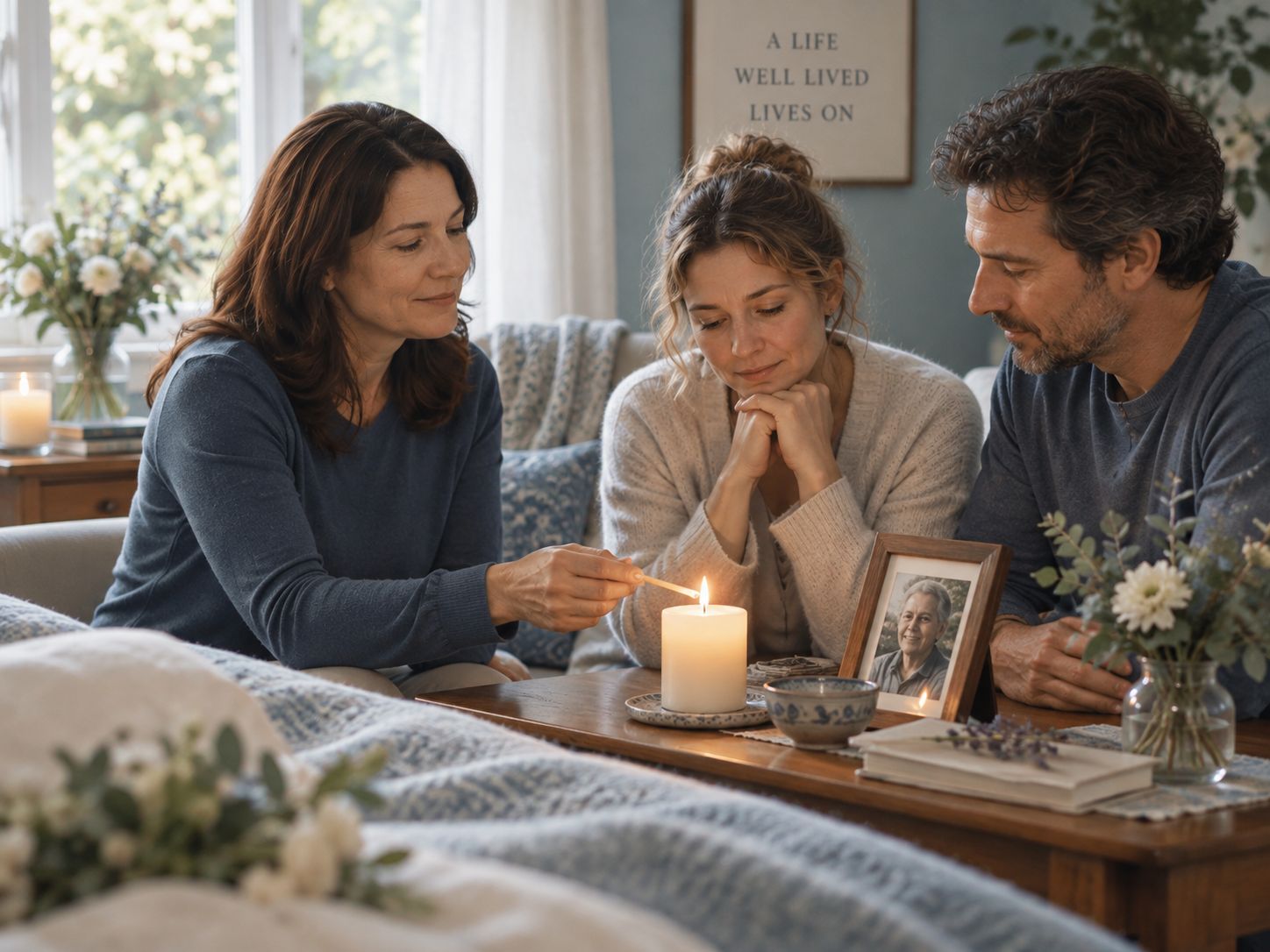
Interest in death literacy, caregiving, planning, home-based support, grief, and personalized end-of-life care is visible in many communities. That does not mean demand is the same everywhere or that paid work is guaranteed.
Local culture, public awareness, affordability, existing services, referral relationships, facility policies, and the doula’s specific offering all influence whether people seek this kind of support. Community need, market demand, and sustainable employment are related, but they are not the same thing.
Try a complete Life Review module from IEOLCA’s End-of-Life Doula Certification Program, free, or explore the full certification program when you are ready to learn more.
Reviewed and updated by the IEOLCA Education Team • September 2026