
Module 01
Dementia as a Journey
Understand dementia trajectories, the long goodbye, and the evolving emotional and relational landscape while grounding your role in compassionate, scope-aligned care.
Dementia journeyScope

Practical, compassionate training for supporting people and families living with dementia. Build your understanding of person-centered communication, caregiver support, quality of life, and the care that helps people feel seen through change.
Dementia changes more than memory. It can affect familiar routines, relationships, communication, and a person’s sense of who they are. Alongside those changes, families may be navigating uncertainty, exhaustion, and the grief of an ongoing goodbye.
Compassionate, non-clinical support makes room for the person behind the diagnosis. It may mean finding a way to connect, noticing what brings comfort, listening to a caregiver, or helping a family preserve moments of meaning.
This training brings dignity, identity, communication, quality of life, and caregiver well-being together with practical ways to offer support alongside medical care.
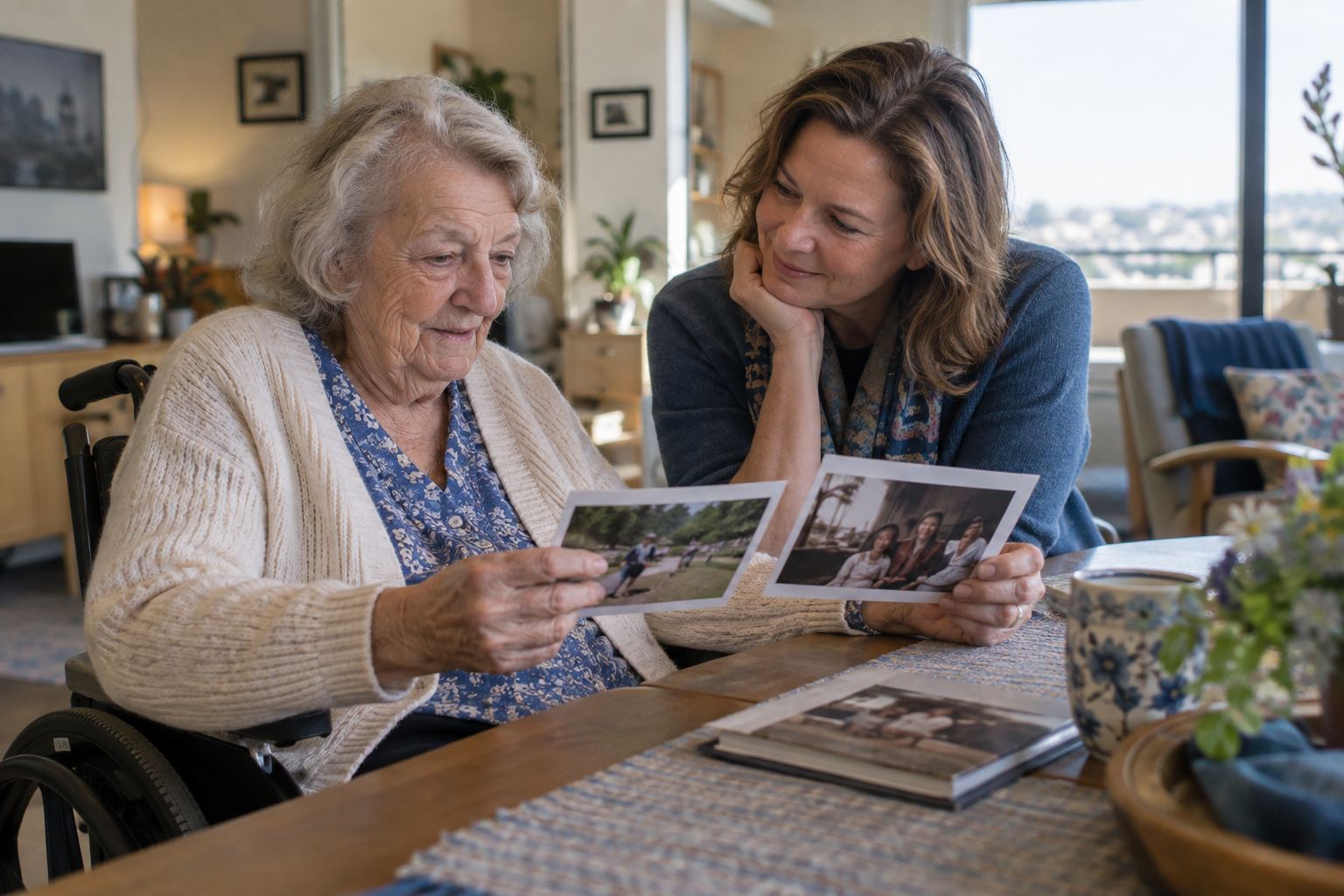
“An incredible resource for those seeking a thorough curriculum. The combination of videos and written materials provides an in-depth overview of compassion, listening, person-centered care, and self-care.”
You may be caring for a parent, partner, grandparent, or another loved one. You may be an end-of-life doula, hospice volunteer, spiritual care provider, companion, or helping professional looking for a more grounded approach to dementia support.
Whether you are building on the care you already offer or beginning to explore this work, the program offers practical language, thoughtful reflection, and a non-clinical framework you can return to as needs change.
No previous IEOLCA training is required. This program stands alone, and it can also complement broader end-of-life doula learning.
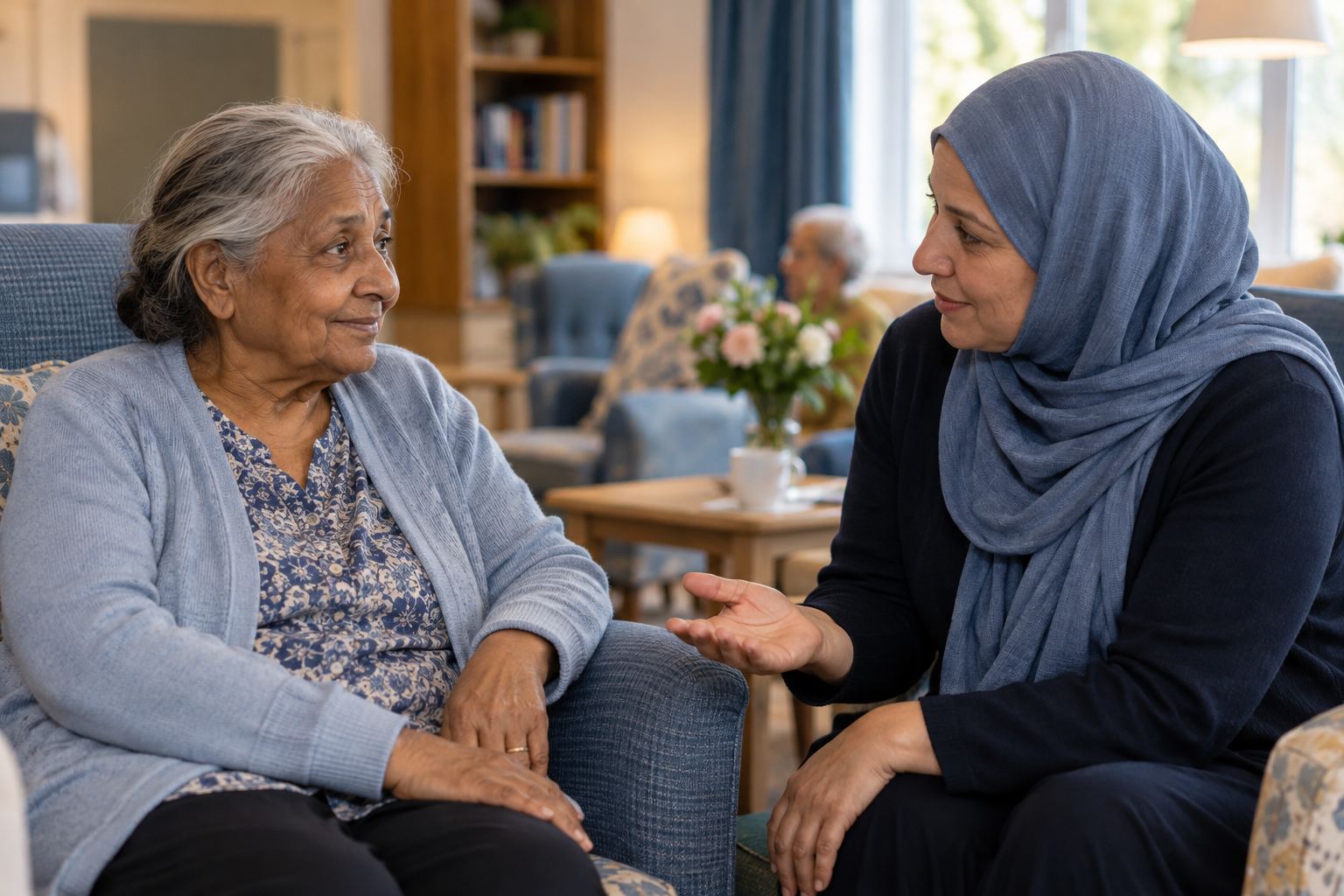
Learn ways to support both the person living with dementia and the people who love them, with person-centered communication and a clear, non-clinical role.

That meets the person where they are rather than correcting, arguing, or escalating distress.
For families grieving ongoing change while a loved one is still physically present.
That consider comfort, meaning, routines, sensory environment, and continuity of self.
Through burnout awareness, support planning, and realistic scope-safe guidance.
From diagnosis through advanced dementia, hospice collaboration, and final-phase presence.
“I was so impressed by the comprehensive information presented… Thank you for making this training accessible, flexible, and affordable. I feel supported and confident as I move forward in this service.”
Explore the dementia journey, validation-based communication, caregiver support, values-based planning, quality of life, advanced dementia, and ethical practice.
The learning blends practical application, reflection, and non-clinical support frameworks. Many students complete the program in approximately 20–40 hours, with room to move at your own pace and return to the material through lifetime access.
The program includes an integrated guidebook and practical resources. After completing the requirements, you receive a Certificate of Completion and digital training badge.

Understand dementia trajectories, the long goodbye, and the evolving emotional and relational landscape while grounding your role in compassionate, scope-aligned care.
Develop validation-based communication skills and learn how to connect beyond cognition through tone, pacing, and emotional attunement.
Recognize ambiguous loss, emotional strain, and burnout risk while offering grounded, non-clinical support to families.
Support early planning conversations, care transitions, and decisions that reflect personal values while maintaining clear role boundaries.
Explore supportive routines, meaningful engagement, and adapted environments that promote comfort, familiarity, dignity, and emotional well-being.
Offer informed support in advanced stages, including hospice collaboration, vigil presence, comfort-focused care, and end-of-life considerations.
See what dementia doula support looks like in real life, from first connection through ongoing accompaniment and changing care needs.
Build a grounded, sustainable practice with clear ethics, boundaries, self-awareness, and practical guidance for compassionate service.
“I was deeply surprised at the depth and breadth of the information shared, presented as an interactive experience requiring thought and introspection.”
Practical materials for communication, caregiver support, quality of life, and thoughtful non-clinical planning.

Dementia support invites us to notice, listen, adapt, and stay connected to the person in front of us. The self-paced format gives you space to revisit ideas and bring the learning into real situations over time.
Lifetime access includes all eight modules, the integrated guidebook, and downloadable tools, so you can return whenever your support role evolves.

When you complete the program, you’ll receive recognition of your learning, a shareable digital badge, and the opportunity to be listed in the IEOLCA Doula Directory.
Receive an IEOLCA Certificate of Completion recognizing successful completion of the Dementia & Memory Care Doula Training Program. Yours to display, frame, and share with confidence.
A shareable IEOLCA digital badge recognizing completion of the program, for your email signature, website, LinkedIn profile, and social media.
Upon completion, you are invited to add your profile to the IEOLCA Doula Directory, helping families find trained, compassionate doulas who offer this kind of support.
Who the training is for and how this learning can support you.
A Dementia Doula is a non-medical professional trained to support individuals and families through the cognitive decline and behavioral transitions of dementia. This role offers non-clinical support that complements medical care and helps address emotional, relational, and day-to-day challenges.
No. Many students are already end-of-life doulas adding dementia-informed training, but the course also stands alone for family caregivers, volunteers, and helping professionals.
Absolutely. Many people join this training to gain grounded skills and frameworks that help them better support their own loved ones through cognitive decline.
Person-centered learning, resources, and recognition of completion.
Yes. The training incorporates person-centered dementia care principles and reflects the growing need for relational, non-clinical support alongside existing medical and caregiving systems.
No. This is a professional training program, not an IEOLCA certification. Students who complete the program receive a Certificate of Completion and a digital training badge recognizing the education they have completed.
The training includes eight content-rich modules plus downloadable tools, communication guides, caregiver support templates, quality-of-life planning worksheets, and clear scope and ethics guidance.
Study at your pace, get help, and understand your access.
Yes. The program is fully online and self-paced, with no deadlines or required live sessions.
You receive access after purchase and can begin the training right away. All modules, tools, and resources are available from day one.
Many students complete the eight modules in roughly 20 to 40 hours total, depending on their pace of study and how much time they spend with the reflection work.
Yes. Every enrollment is backed by a 60-day satisfaction guarantee. If the training does not feel like the right fit, a full refund is available within 60 days of purchase.
Our support team is available by email at office@ieolca.org for curriculum questions or technical assistance.
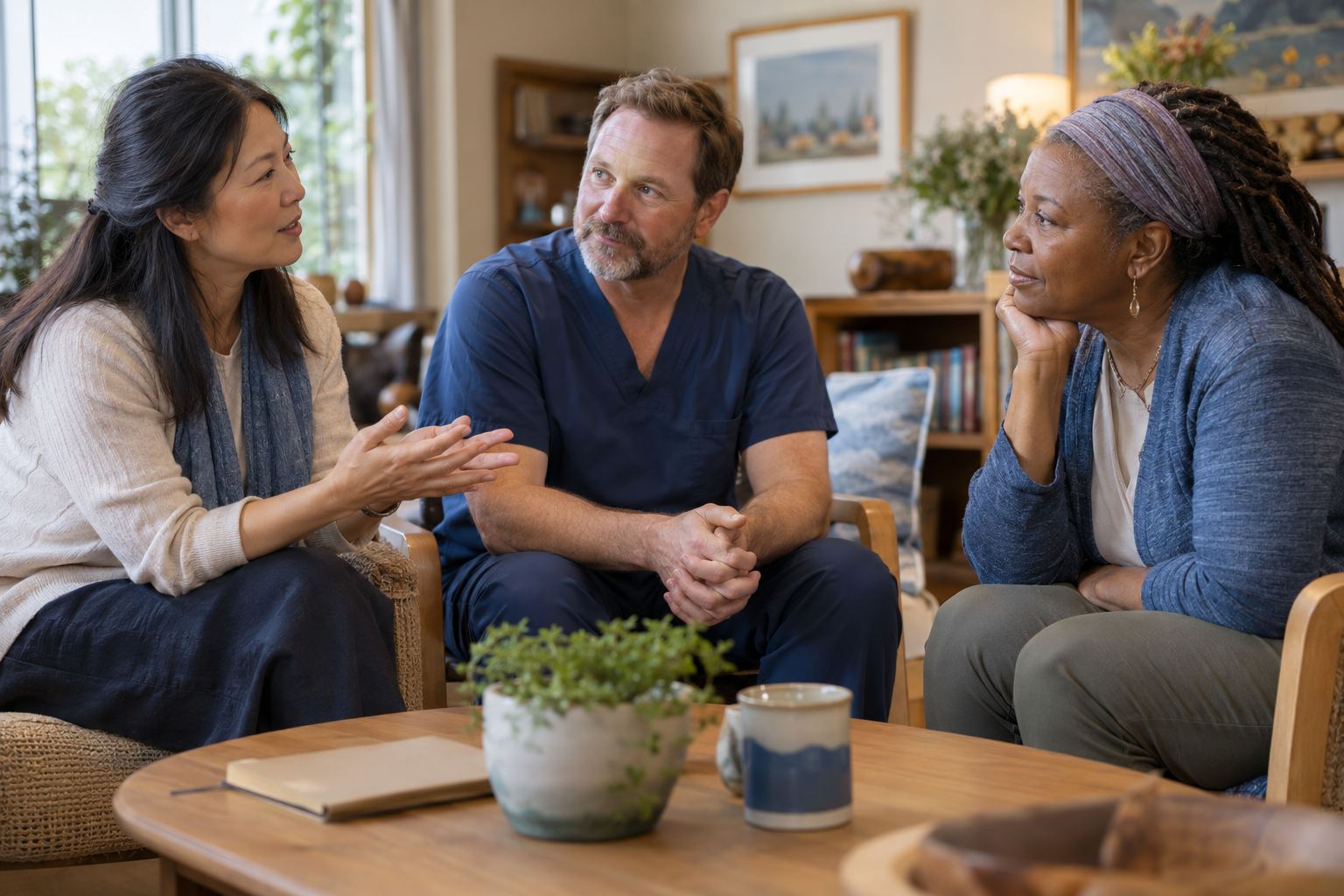
Whether you are supporting someone you love or extending the care you offer to others, bring more understanding, practical skills, and compassion to the dementia journey.
Choose your tuition
We want this training to be accessible to anyone feeling called to this path. Choose the tuition level that fits your circumstances; every level includes the same complete program.
“I enjoyed how it was self-paced and found myself looking forward to working on the modules. This course provided a solid foundation that I continue to build on.”