
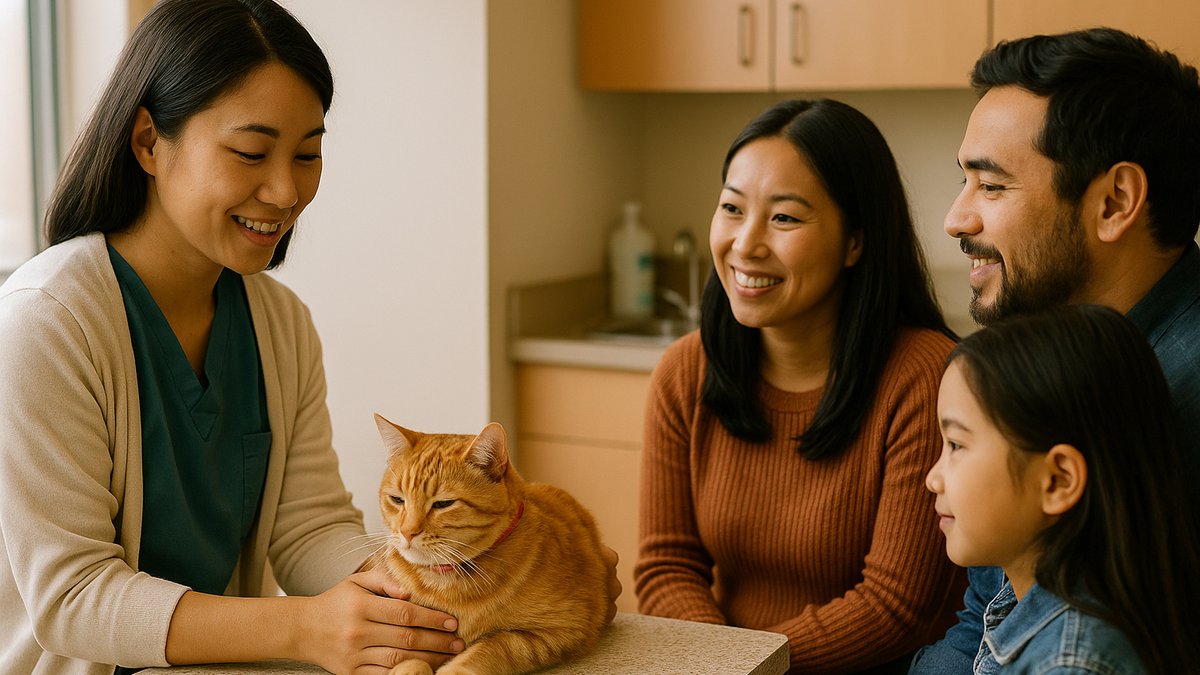
A Pet Death Doula Supports People Through Companion-Animal End of Life and Loss
A pet death doula is a non-medical support person who may offer emotional, practical, informational, relational, ritual, legacy, and grief-informed support before, during, and after the death of a companion animal.
The role complements veterinary and mental-health care. The doula does not diagnose an animal, assess medical quality of life, recommend treatment, manage medication, perform veterinary procedures, provide psychotherapy, or make end-of-life decisions for a family.
IEOLCA’s specialty program is called the Pet Death Doula Training Program.
Support Before the Death
- compassionate presence during uncertainty
- help preparing questions for the veterinarian
- family communication and practical planning
- ideas for meaningful time together within veterinary guidance
- legacy activities such as photographs, recordings, or memory projects
- anticipatory-grief support and referrals
A pet death doula does not decide whether an animal is suffering or when euthanasia is appropriate.
Support Around the Time of Death
When the family wishes and the veterinarian or clinic permits it, a doula may:
- offer calm, non-clinical presence
- help plan who will be present
- support children and other family members in age-appropriate ways
- help prepare music, ritual, meaningful objects, or quiet time
- support communication with the veterinary team
- remain present before and after euthanasia
The veterinary team remains responsible for assessment, medication, euthanasia, and every clinical procedure.
Support After the Death
- compassionate listening
- grief-informed support within scope
- memorial and remembrance ideas
- legacy activities such as photographs, paw impressions, or memory boxes
- help identifying after-death service options
- referrals to pet-loss and mental-health resources
Transportation, cremation, burial, body handling, and other after-death services may be regulated or governed by veterinary, municipal, property, or service-provider rules. A doula should not assume those activities are permitted.
How a Pet Death Doula Works Alongside Veterinary Care
The veterinary team
- medical examination and diagnosis
- prognosis and quality-of-life assessment
- treatment recommendations
- medication and symptom management
- euthanasia and veterinary procedures
The pet death doula
- listening and emotional presence
- question organization
- family communication and preparation
- legacy, ritual, and remembrance support
- referrals to qualified resources
A doula should refer pain, breathing, mobility, eating, drinking, behaviour, medication, prognosis, and quality-of-life concerns promptly to a veterinarian.
Pet Loss, Grief, and Remembrance
The death of a companion animal can carry deep grief, and that grief may be overlooked or minimized by others. A doula may acknowledge the significance of the relationship without judging how grief should look or how long it should last.
Remembrance may include photographs, paw impressions, letters, storytelling, music, a ceremony, a memorial object, or quiet privacy. The doula follows the family’s lead and does not impose a ritual, spiritual belief, or definition of closure.
Grief-informed support is not psychotherapy. Significant distress, trauma, crisis, or mental-health needs should be referred to an appropriately qualified professional.
Supporting Children and Other Family Members
A doula may help caregivers think through age-appropriate, honest language and ways to include children in saying goodbye or remembering the animal.
The parent or legal guardian remains responsible for decisions about what a child is told, whether the child is present, and what support is appropriate. The doula should not pressure a child to participate.
What a Pet Death Doula Does Not Do
Veterinary care
- diagnosis or prognosis
- quality-of-life assessment
- treatment recommendations
- medication management
Decision-making
- deciding when euthanasia is appropriate
- making decisions for the family
- pressuring toward or away from euthanasia
- guaranteeing a peaceful outcome
Mental-health treatment
- psychotherapy
- clinical counselling
- diagnosing grief or trauma
- crisis care without qualifications
Automatic access
- clinic access
- presence during euthanasia
- medical-record access
- authority over veterinary care
Questions to Ask Before Hiring a Pet Death Doula
- What pet death doula education and experience have you completed?
- Which services do you offer?
- What falls outside your scope?
- How do you collaborate with veterinary professionals?
- How do you approach consent, privacy, culture, and family differences?
- Are you insured for these services?
- What are your fees, availability, and backup arrangements?
- When do you refer to veterinary or mental-health professionals?