

Care for the family, through the goodbye.
A pet death doula can offer emotional and practical support before, during, and after euthanasia. This may include helping a family prepare questions, consider who will be present, make space for a meaningful goodbye, and receive grief-informed support afterward. Attendance depends on the family’s wishes and the veterinary team’s permission. The veterinarian provides clinical guidance and care.
Some families want someone to listen as they prepare. Others value help organizing questions, considering practical needs, or making room for a personal ritual. The support is shaped around the family and the animal’s comfort.
How can a doula help a family prepare?
A doula may help a family write questions for the veterinarian, clarify attendance and privacy preferences, consider practical arrangements, and choose whether they would like music, a familiar object, or a personal ritual. The veterinary team explains the procedure and confirms what is appropriate for the animal and setting.
It may help to gather your questions in one place. For example:
- What will the appointment involve, and what might we notice?
- How will you support our pet’s comfort?
- Who can be present, and may our doula attend?
- What options do we have for holding, touching, or sitting near our pet?
- Whom should we contact if our pet’s condition changes before the appointment?
- What arrangements should we discuss for afterward?
The veterinarian’s answers can help the family understand what is possible. A doula can help organize those answers and identify anything the family would like clarified.
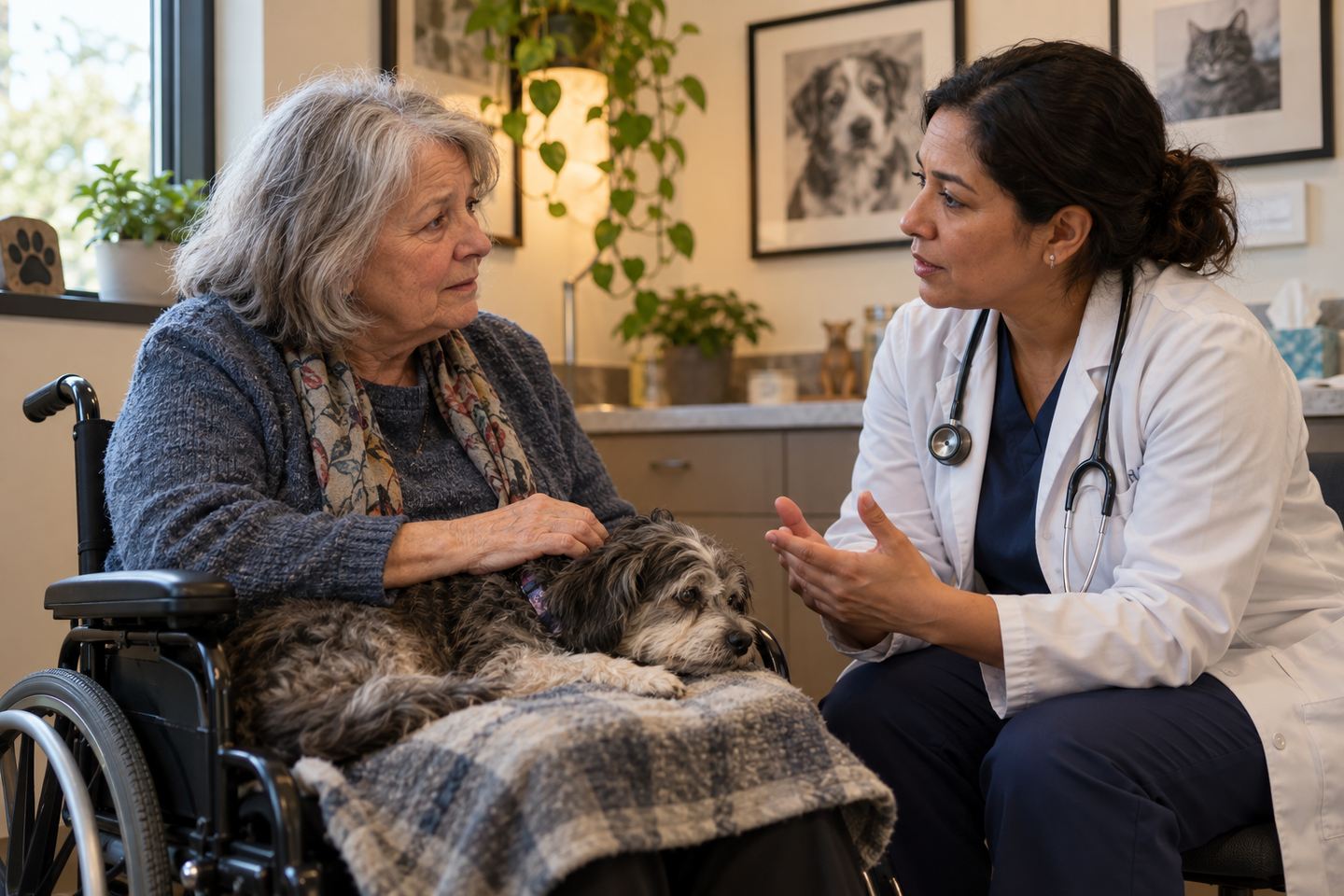
Can a pet death doula be present?
A doula may be present when the family wants this support and the veterinarian or clinic permits it. Confirm attendance in advance, including for an at-home appointment. The doula follows the veterinary team’s directions, respects the animal’s comfort, and supports the family’s preferences for presence or privacy.
Someone to sit with you.
A doula may listen, sit quietly, or stay beside a family member who would appreciate support. Their presence can be as simple as being there without requiring conversation.
Help expressing what matters.
With the family’s permission, a doula may help communicate a question or preference to the veterinary team. Clinical explanations and decisions stay with the appropriate people.
Room for your own wishes.
Where the setting and veterinary team allow, support may include a few words, music, a familiar object, a cultural practice, or quiet privacy. The family chooses what feels meaningful.
There are different ways to say goodbye. Talk with the veterinarian about being present, stepping out, or spending time with your pet before or after the procedure. A doula can support your preferences without pressuring you to participate in a particular way.
How can a doula support children?
A doula may help parents or guardians plan honest, age-appropriate conversations and consider gentle ways for a child to say goodbye. Participation should be guided by the caregiver, the child’s wishes and understanding, and the veterinary team’s requirements. Children can also take part in remembrance without attending the procedure.
Parents may want help finding words, making room for questions, or deciding how to include a child. Explain dying in language suited to the child’s understanding and distinguish it from ordinary sleep.
A child might choose to draw a picture, share a memory, say goodbye beforehand, or help choose a keepsake. Each option can be discussed without making attendance a measure of love.
A question to ask gently
“Is there something you would like to say or do for our pet?”
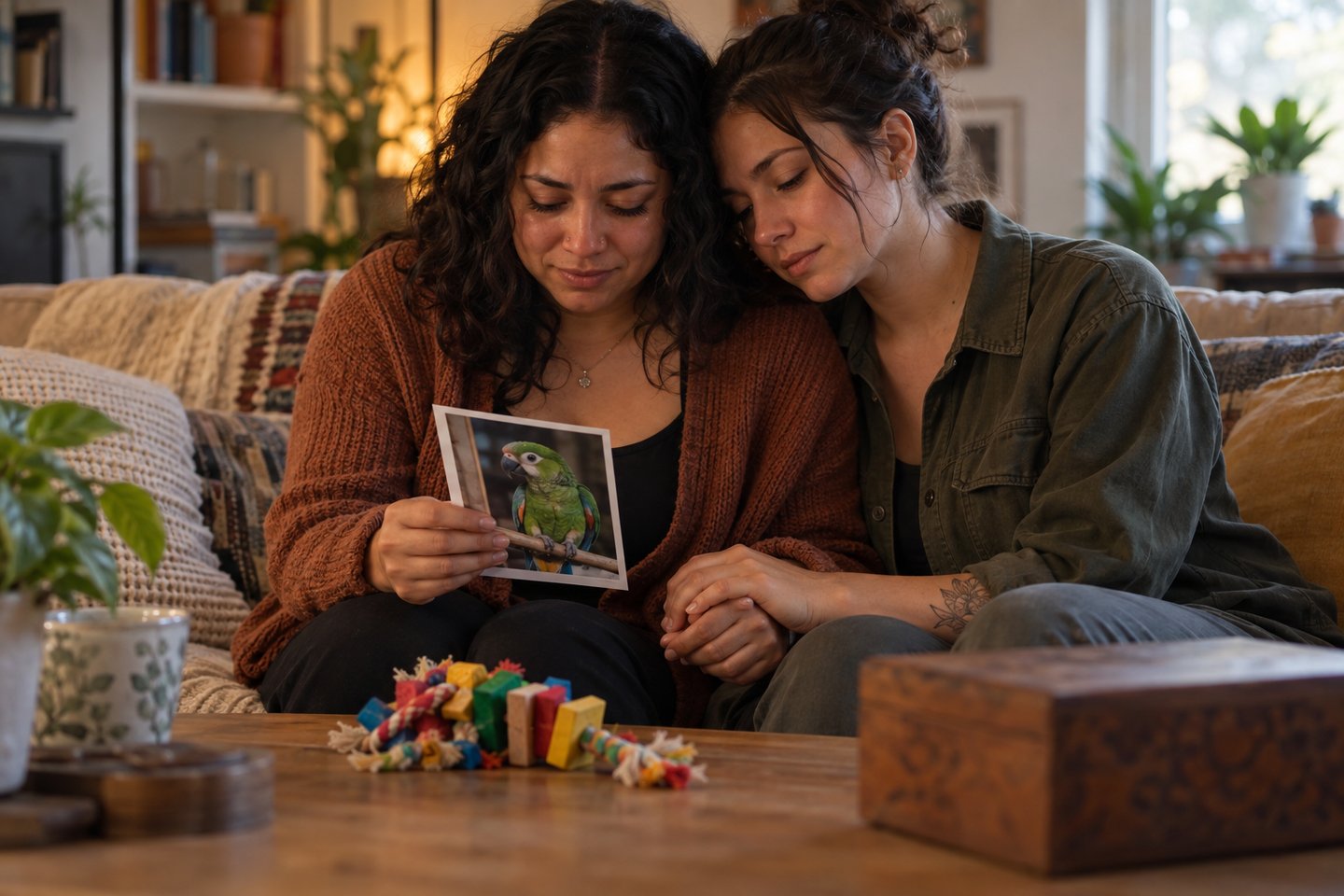
What support can a doula offer afterward?
Depending on agreed services, a doula may offer compassionate listening, help with remembrance, gentle follow-up, and assistance identifying additional grief support. The veterinarian or aftercare provider confirms arrangements for the animal’s body and any cremation or burial services. Clinical counseling and mental-health treatment belong with appropriately qualified professionals.
A family may want company for a little while, space to talk, or privacy. Agreeing on preferences beforehand can help a doula understand what would be welcome, with room for those preferences to change.
Grief can also begin before the appointment. If you are already feeling the weight of the loss ahead, you may find our FAQ on anticipatory grief when your pet is dying helpful.
If distress is affecting daily life, a doula can encourage connection with a qualified professional and help you identify support that fits your needs.
Who decides when euthanasia is appropriate?
The veterinarian assesses the animal’s health, comfort, and care options, and the family makes decisions in consultation with the veterinary team. A doula can listen, help organize questions, and support communication. The doula’s role is non-medical and does not include deciding when euthanasia should happen or performing the procedure.
The veterinary team provides clinical care.
- Assessment of health, comfort, and care options.
- Explanations about the procedure and what to expect.
- Medication, veterinary procedures, and confirmation of death.
The doula supports the people involved.
- Listening and emotional presence.
- Help organizing questions and practical plans.
- Family communication, remembrance, and grief-informed support.
The animal’s welfare remains central. Share concerns about your pet’s condition promptly with the veterinary team. The doula supports those conversations while the veterinarian advises on clinical needs.
Remembrance can follow the family’s lead.
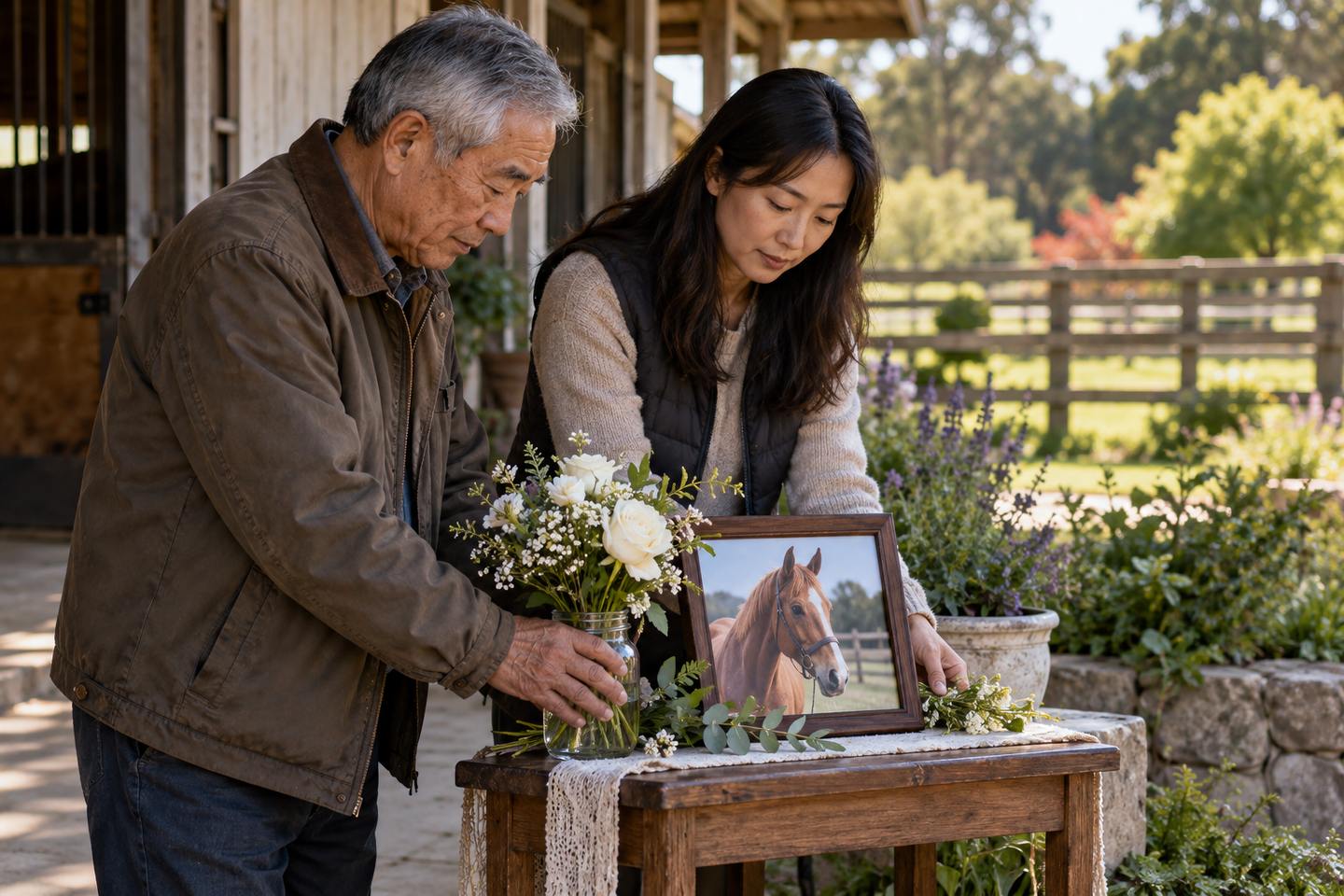
Some families want to mark the goodbye with a ritual or keepsake. Others prefer time and privacy before deciding how to remember their animal.
A doula may help explore ideas such as a letter, a photograph, a memory box, a shared story, or a simple ceremony. The family’s culture, beliefs, and wishes shape what is offered.
When arrangements involve the animal’s body, ashes, burial, or a particular location, confirm what is possible with the veterinary team or appropriate provider.
Something you might consider
What would you like this goodbye—or a later remembrance—to honor about your relationship?
Choosing the support that fits your family.
Can a doula support us if euthanasia takes place at home?
Yes, where the doula offers this service and the family and veterinarian agree. Confirm attendance, responsibilities, and practical arrangements with the veterinarian in advance. The doula’s contribution remains non-medical.
Can a doula help before we have made a decision?
A doula can listen to concerns, help organize questions, and support family communication. The veterinarian provides the information and recommendations needed to consider the animal’s care options.
What if different family members want different kinds of support?
It can help to ask each person what would feel supportive: conversation, privacy, participation, or another way of saying goodbye. A doula may help those wishes be heard and communicated to the veterinary team.
Do we need a doula to have a meaningful goodbye?
Families can receive compassionate support from their veterinary team, loved ones, and other people they trust. A doula is an additional option for those who would appreciate the services they offer.